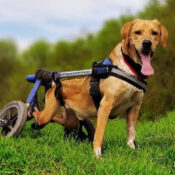
If your senior dog has been diagnosed with arthritis, or you suspect it based on stiffness and slowed movement, you are probably wondering what actually helps. Here is a clear breakdown of what works.
Signs Your Dog May Have Arthritis
- Stiffness after rest, especially in the morning
- Reluctance to jump, climb stairs, or get into the car
- Limping or favoring one leg
- Decreased activity or irritability when touched
Types of Arthritis Medicine for Dogs
Vets commonly prescribe NSAIDs such as carprofen or meloxicam to reduce inflammation and pain. These are effective but require monitoring for liver and kidney health with long-term use, so regular vet checkups are essential.
Supplements Work Alongside Medication
Many owners combine prescription medicine with daily joint supplements to slow progression and reduce the dose of medication needed over time. Our guide to the best joint supplements for senior dogs covers our top pick, the VetriScience Hip and Joint Chews, which many owners use as a daily addition.
Non-Medical Support Matters Too
Weight management, gentle daily movement, and a comfortable home setup (non-slip floors, orthopedic beds) all reduce joint strain significantly.
Not Sure If Your Dog Is a Senior Yet?
Use our free Dog Health Checker to find out if your dog has reached the senior life stage.
The Bottom Line
Arthritis medicine for dogs works best as part of a full plan: prescription treatment when needed, daily joint supplements, weight control, and a comfortable environment. Always involve your vet before starting or changing medication.