One of the most common questions from senior dog owners: should I switch to wet food, stick with dry, or mix both? Here is how to decide based on your dog’s specific needs.
Dry Food: Pros and Cons
- Pro: More affordable per serving, longer shelf life
- Pro: Chewing supports dental health and reduces plaque
- Con: Harder for dogs with dental pain or missing teeth
- Con: Lower moisture content, less helpful for hydration
Wet Food: Pros and Cons
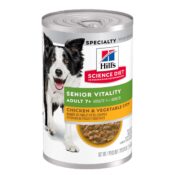
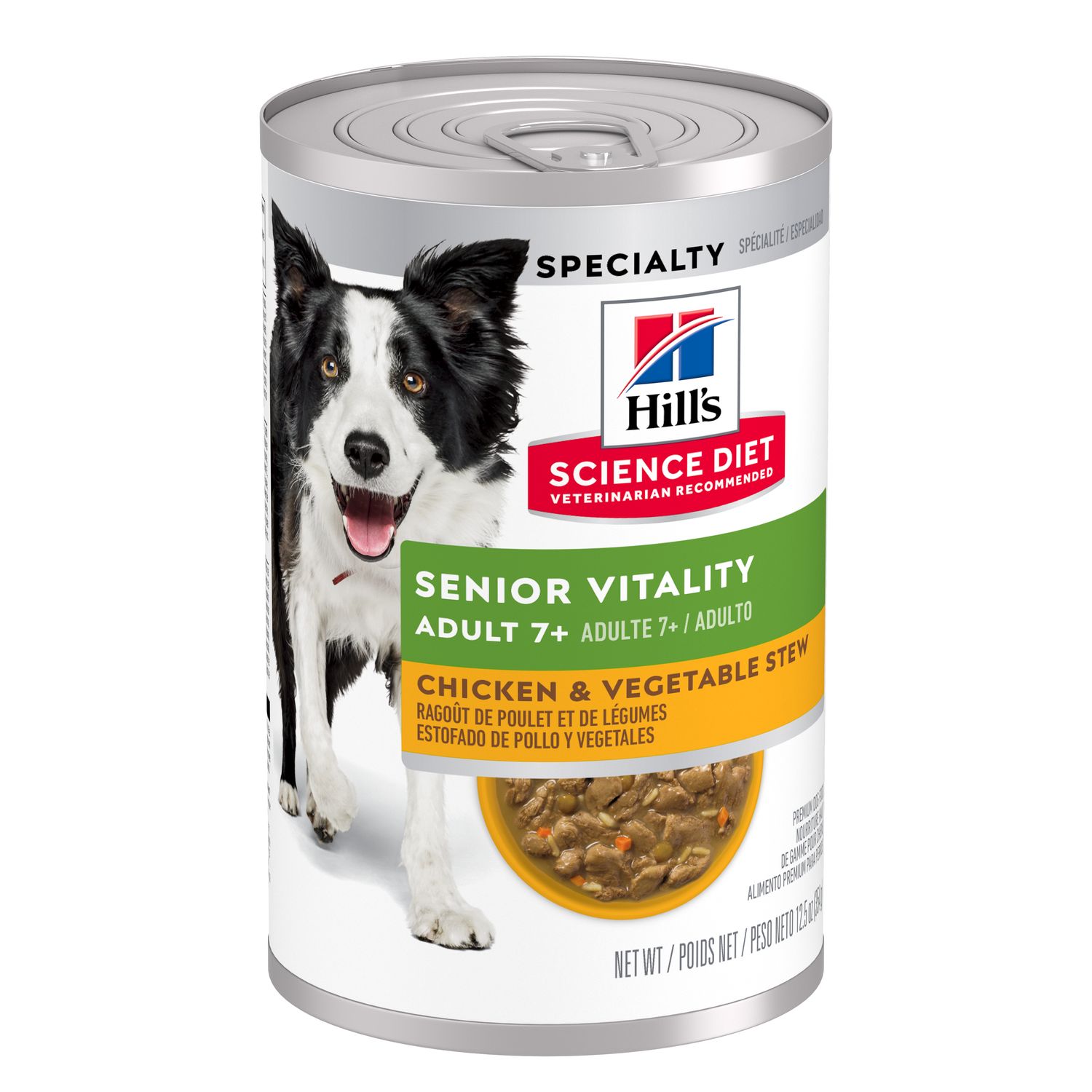
- Pro: Easier to eat for dogs with dental issues or reduced appetite
- Pro: Higher moisture supports kidney and urinary health, important for many senior dogs
- Con: More expensive per calorie
- Con: Opened cans need refrigeration and have shorter shelf life
The Case for Mixing Both
Many vets recommend a mix: dry food for dental benefits and cost, topped with a small amount of wet food for palatability and hydration. This is especially useful for dogs that have become picky eaters with age.
If Your Dog Has Joint or Mobility Issues
Whichever food format you choose, pairing it with proper joint support matters just as much. See our best joint supplements for senior dogs and arthritis medicine for dogs guides.
Our Wet Food Pick
If you decide to add wet food, Blue Buffalo Homestyle Recipe Wet Dog Food is a 4.6-star option in chicken and beef, ideal for mixing with dry food. See pricing.
More on Choosing the Right Food
For a full breakdown of what to look for, read our best senior dog food guide, or see our Blue Buffalo Senior review for a brand that offers both formats.
The Bottom Line
There is no universal right answer between wet and dry food for senior dogs. Base your choice on your dog’s dental health, hydration needs, appetite, and your budget, and do not be afraid to mix both.